
 While grease traps are installed in commercial kitchens across the world, you may not be familiar with exactly how it works. The drain cleaning experts from KRK Enterprises, Inc wrote this brief guide to your grease trap because we know that the more you know about your drainage systems, the better you will be able to maintain them. The better you maintain your grease traps, the more effective they will be at removing greases, fats, oils and other wastes.
How Does It Work?
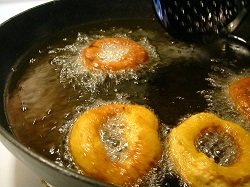
Grease traps are simple – the trap is nothing more than a device that separates fats and oils from wastewater as wastewater flows through your kitchen drains and pipes. Because grease, a mixture of oil and fat, is 10-15% denser than water, it is easily separated from wastewater because it will not mix with water.
As the water and grease flow into the trap, the grease rises to the top of the water where it is separated by a system of baffles. The grease fills the trap and displaces the water out of the trap and into the sewers. Remember, when your grease trap is full, you will need to clean it or it will not be able to remove any grease.
Why Do I Need a Grease Trap?
Installing a grease trap helps commercial kitchens run efficiently by preventing blockages in your pipes and eliminateing unpleasant odors. In fact, many state local governments require that commercial kitchens be equipped with grease traps.
Learn more about your grease trap by calling the grease trap experts at KRK Enterprises, Inc at your convenience. Feel free to schedule an inspection where we can walk you through the proper maintenance procedures for your grease trap.
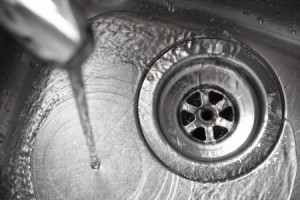 As any homeowner knows, your house has several drains that can become clogged for various reasons. One of the drains that is most likely to develop a clog is your the drain in your kitchen sink. These drains are asked to handle the tough task of removing our food waste from our homes and transporting it to the sewer, helping to keep your home sanitary.
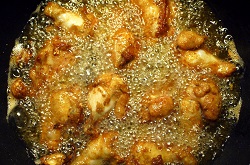 In 2013 after several residents of a London neighborhood complained about their toilets not flushing, the Thames Water company got to work searching for the source of the problem. Much to their surprise, a 15-ton school bus sized “fatberg” made of congealed grease and baby wipes was clinging to the walls of the sewer below. Crews worked for days digging the “fatberg” out by hand and the sewer returned to normal, but this incident renewed the emphasis for the public to be mindful of what they flush and send down their drains.
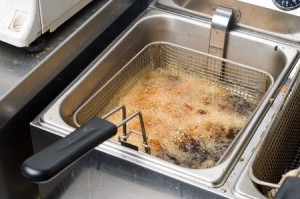 Commercial kitchens, like those found in schools, resorts, and restaurants, have a series of local city codes and building policies set in regards to their drainage systems. This includes grease traps installed in the drains, sinks, and dishwasher to prevent grease (or